
Posts
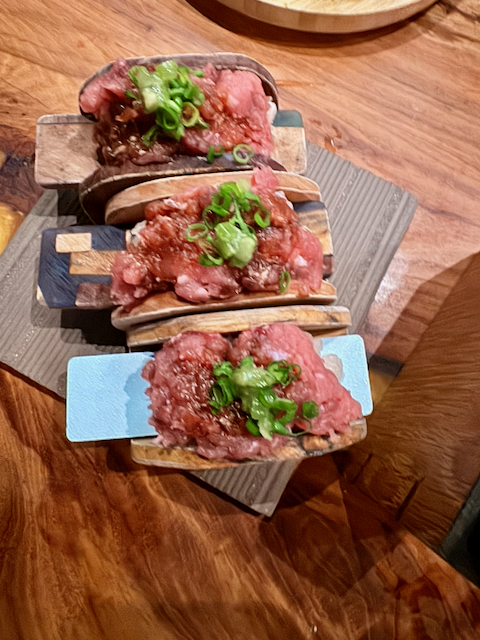
I thought I’d fallen out of love with Austin, but really I just didn’t like living in the suburbs. This summer I moved back to Central Austin and I couldn’t be happier. It turns out that I need to be walking distance to coffee shops, great restaurants, and neighbors with eclectic yard art.
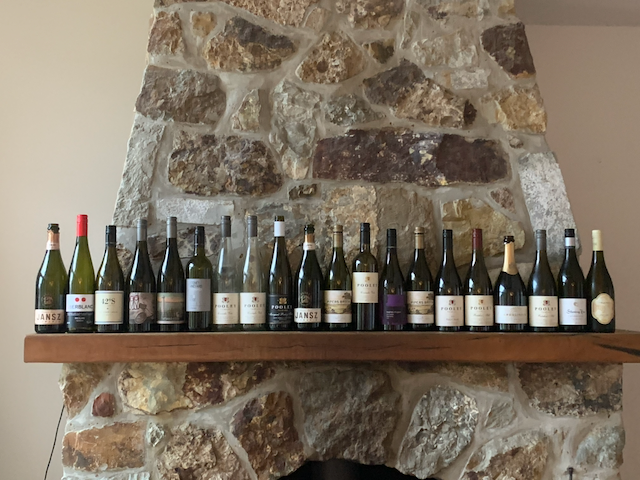
I was fortunate enough to visit Tasmania, a truly magical place, in early January 2020 and visit several wineries. I had tried Tasmanian sparkling wine before the trip - Jansz sparkling is fairly easy to find in the US - and was intrigued to learn more. Because Tasmania is so far south, it has a cooler climate than the main island of Australia and can grow grapes that prefer the longer, cooler growing season. You find less shiraz/syrah and more chardonnay, riesling, and pinot noir.
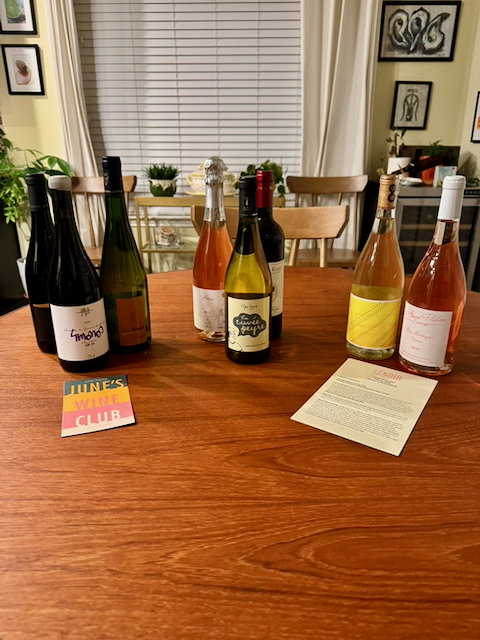
I realized last year I was stuck in a wine rut. I was grabbing the same labels at the grocery store or wine shop and wasn’t exploring enough. That’s when I was invited to a restaurant wine club and it has opened my palate to wines I might have otherwise missed.
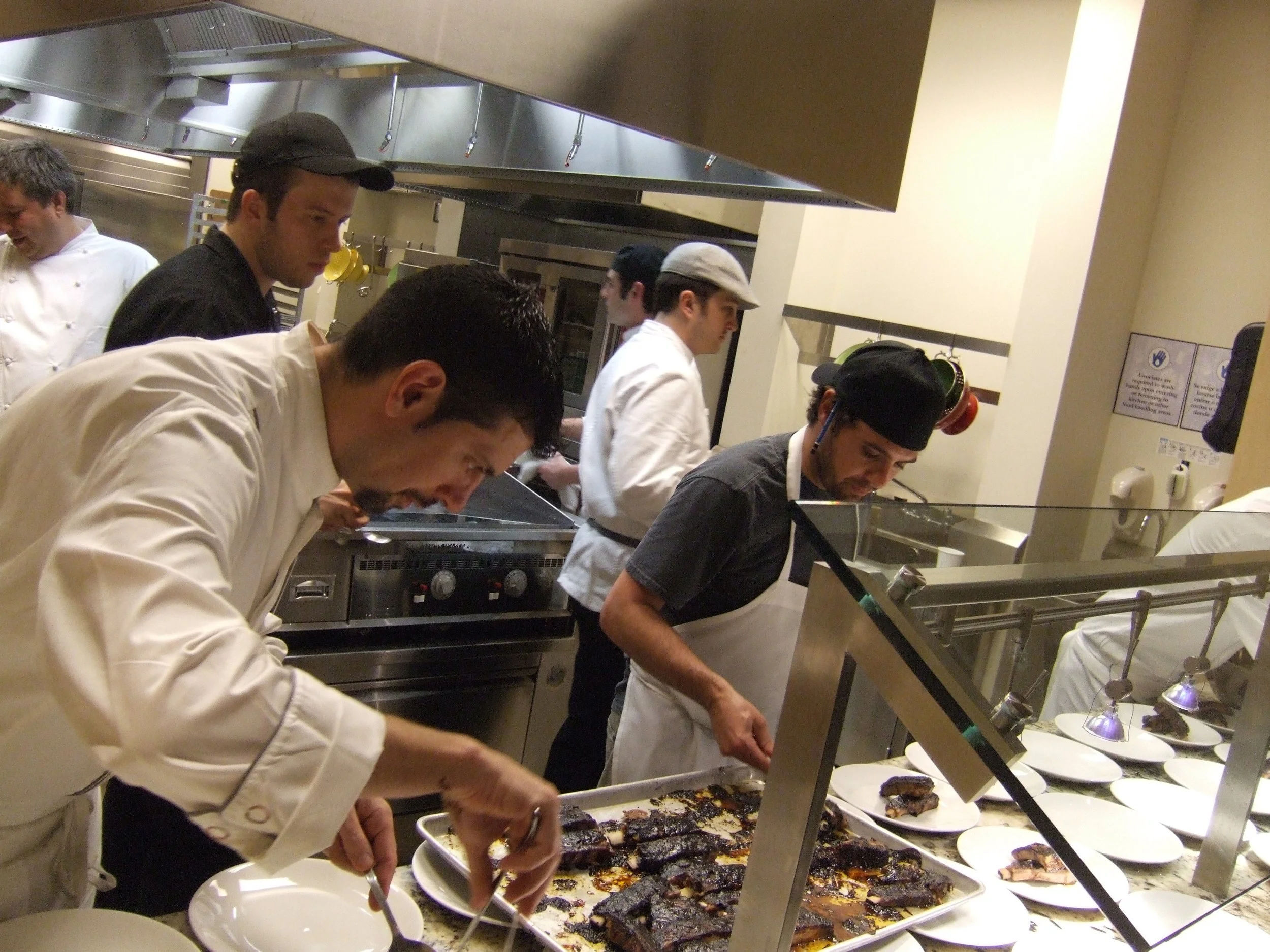
We often see chefs on TV or in movies screaming, throwing things, and acting like dictators in their kitchens. Anthony Bourdain famously chronicled the toxicity of restaurant kitchens in his book Kitchen Confidential. Even recent examples show that not everyone has left these poor practices in the past, saying things like, and I’m paraphrasing, “We’ll beat the next Michelin star out of you.” But many chefs have worked to change their kitchen dynamic and to create a healthy working environment, knowing that passion and patience are equally important to their success.
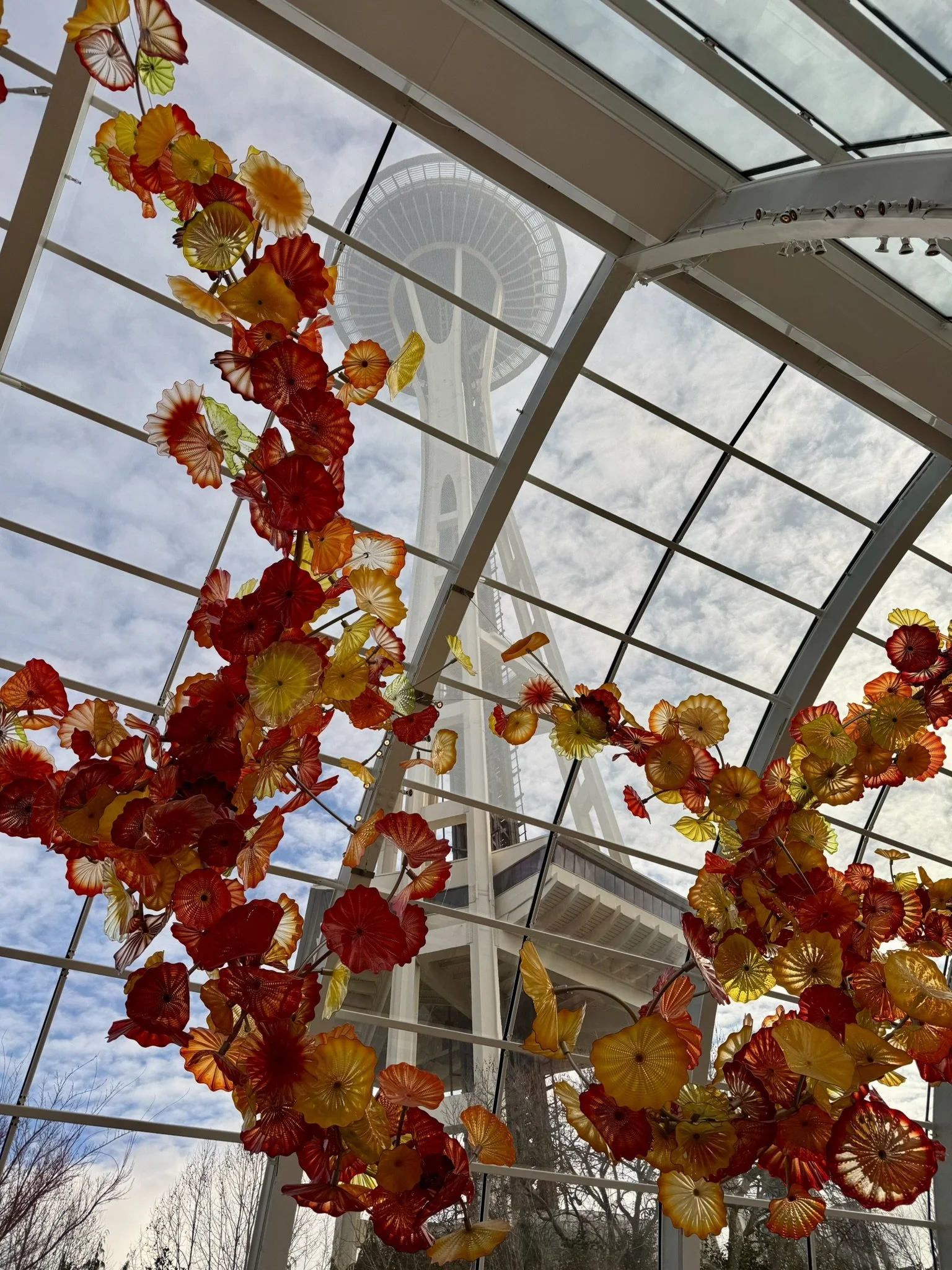
I came to Seattle for my first solo vacation when I was 25 (we are not going to discuss how long ago that was). I fell in love with the city, the mountains, and the ocean. I came back several more times for vacations over the years, and it became a place where I could refresh, renew, and enjoy. When Amazon acquired Whole Foods in 2017, Seattle became a place I came to work, not play. Sure, I managed to squeeze in a great dinner or wine tasting, but it wasn’t the same.